Alarm models, point contracts and client checks
Observed work
A retained tool report records a completed serial-setting check on one RS485 sensor: it was read at the old rate, changed to 9600 baud and read again successfully. Point data for soil measurements and a separate illuminance-only unit were examined. A request for a second unit was left unsent; there is no basis for calling a batch configured or accepted.
The main writing task was an English design article using YenGear Y402-41-L wireless I/O to explain multi-area emergency notification. Work moved through signal mapping, alarm levels, relay paths, diagrams, imagery and repeated local editorial review. An isolated validation and a pushed article revision were reported, followed by a cloud build starting. The record stops short of a successful production-page check. Requests for social adaptations do not establish that an X or Reddit post went live.
Language and search work ran alongside the article. The personal site distinguished authored Chinese and English accounts from interface switching, with English as the default and Chinese for visitors in China. Bing ownership verification and sitemap submission were reported complete, but processing was still pending. The other search-console request had no completed verification. Revised homepage wording about the wireless link and range remained local work rather than a confirmed production release.
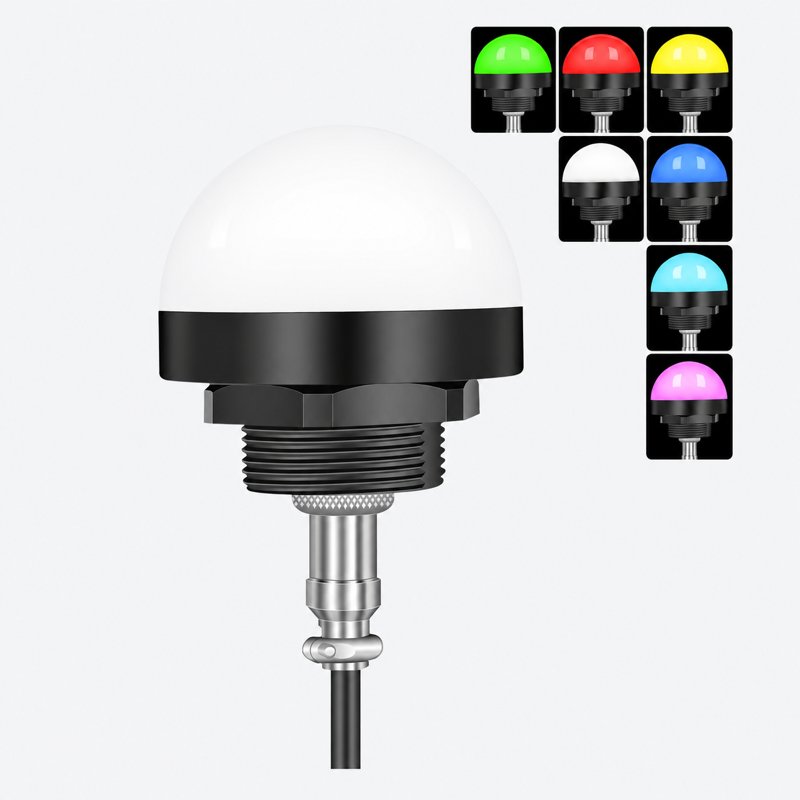
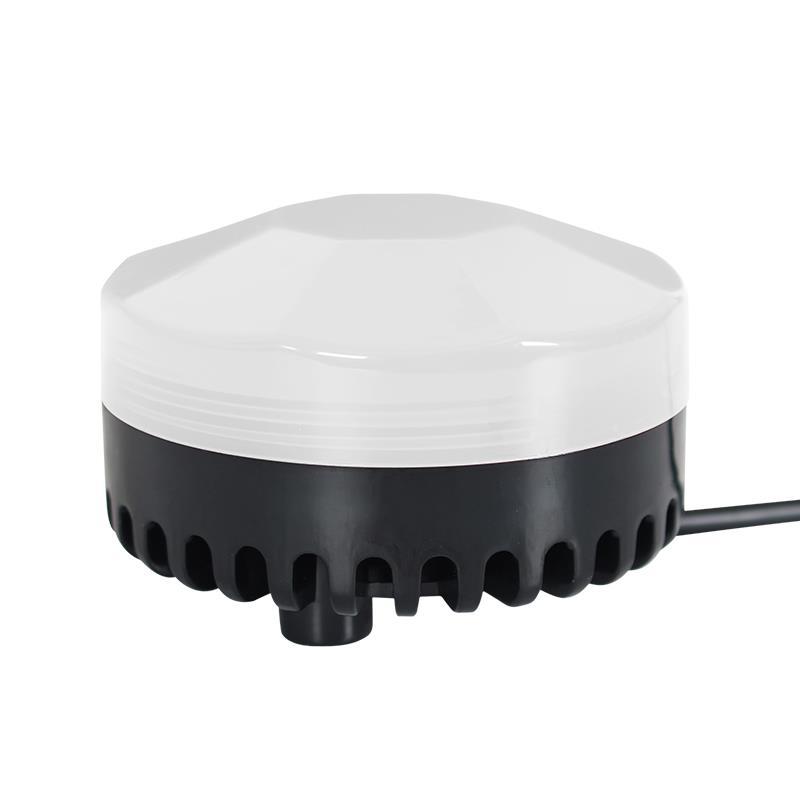
Manufacturer material was used to reconcile five YenGear alarm documentation sets: the visual-only Y811-52V and the Y811-52AV, Y811-75AV, Y811-95AV and Y812-AV sounder-beacon products. Specifications, manuals and the index were revised, built and reportedly committed locally. Added source material later filled further configuration-specific protocol details. Differences between models and variants, source conflicts and remaining unknowns were retained; written documentation did not certify every physical configuration.
Missing production module pictures were traced to empty image fields. Existing matching images were reportedly restored for five modules and appeared after a refresh. A Normal preset request also produced a UI change from slow-flashing yellow to steady green with sound off. This is evidence of the request and displayed state, without a separate observation of the physical lamp.
Alarm handling was made dependent on the complete configuration model rather than treating similar-looking devices as one protocol. Module and existing-point model updates were reported for production and test data; uncleared list caches could still show older values temporarily. A gateway commit passed a reported 186 unit tests and two hardware-simulation tests. Missing or unknown alarm models were to be rejected while ordinary switches kept their existing path. Those checks do not establish acceptance on all real variants.
A second integration change replaced positional point arrays with named objects. Producers were to send both formats during transition before the gateway switched over. The cloud API, production backend and Lambda were reported on a matching released revision. The standalone platform was updated and pushed because its image includes gateway code, but was deliberately not deployed. The gateway rollout itself was still in progress; a data-freshness baseline taken beforehand is not a post-release result, and final telemetry/control checks remained open.
The UMS cloud-build repair pinned shared code to the parent repository revision instead of fetching a moving default branch, and generated the login entry after output existed. Local validation and a push were reported; the next cloud deployment was not verified. Separately, first-open dropdown focus and positioning were repaired with twelve reported browser regression cases. Their final production behavior was still unconfirmed.
Support investigations became more specific without reaching final fixes. A Windows diagnostic showed the port opening and initialization data being sent before a timeout, but captured no receive events. It did not establish why reception was absent. The organization mismatch involved different web and mini-program accounts, with no recorded data correction. Device requests were also rejected for a read-only role that the UI had allowed to act. Permission feedback was being improved; successful actions, timeouts and rollback still needed verification.